Powered Shell vs. Turnkey Colocation
Compare the facility scope, remaining fit-out, operating responsibilities, and delivery dependencies of powered shell and turnkey colocation.
GridColo Infrastructure Team · · 3 min read
The choice between a powered shell and turnkey colocation is fundamentally a choice about control and responsibility.
Turnkey colocation
Turnkey colocation provides a defined facility-service scope around customer equipment. The appropriate model depends on the actual starting condition, included infrastructure, remaining fit-out, customer resources, and agreed operating responsibilities. Confirm ownership and delivery parties rather than assuming the provider owns every component.
A provider-standard environment is one possible commercial configuration, not the definition of every turnkey arrangement. Where distribution, containment, and cooling follow that standard, review hardware compatibility and permitted modifications. The agreed scope determines how much engineering and operating work remains with your team.
- Compare available capacity, required modifications, and acceptance dependencies
- Identify included operations, maintenance, and security responsibilities
- Review setup, recurring, usage, and optional charges in the actual order
- Check permitted cooling and layout changes against the proposed service
Powered shell
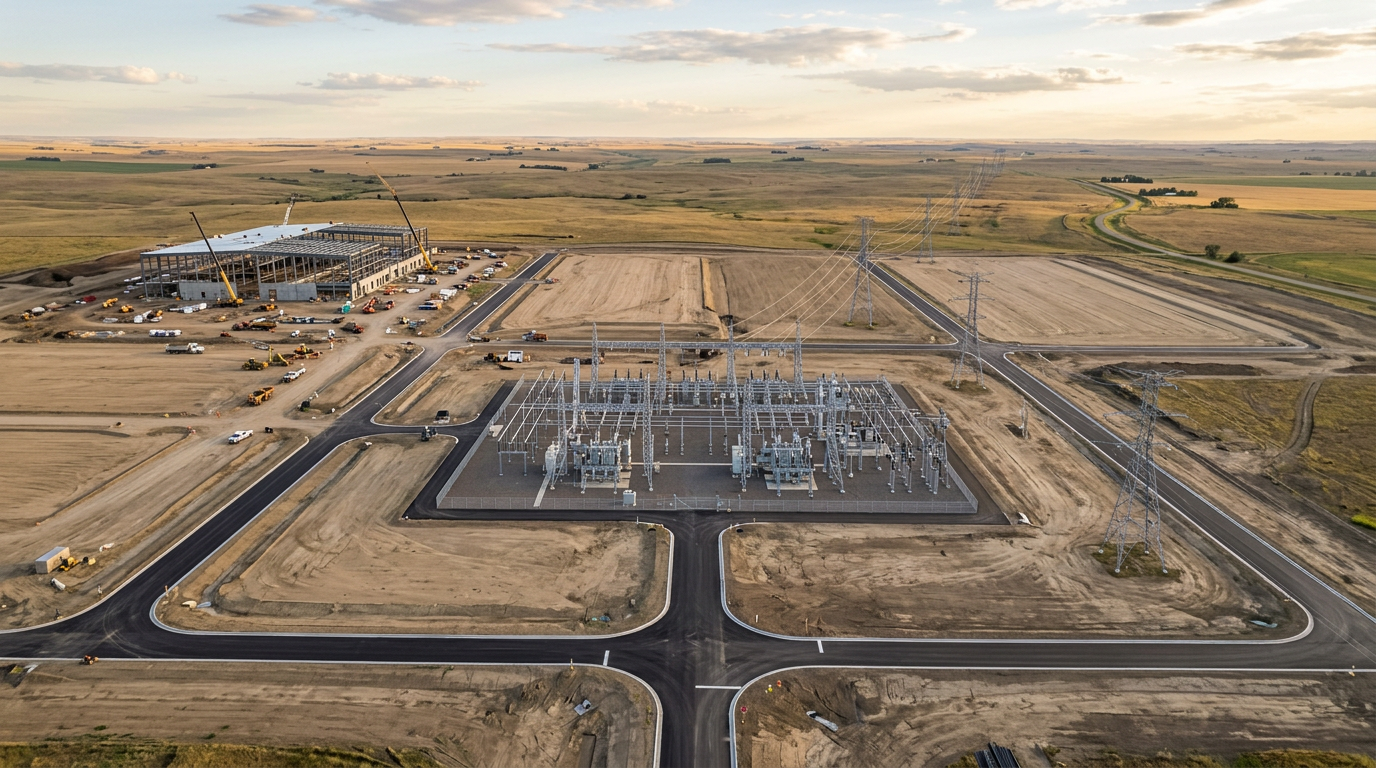
A powered-shell proposal defines a building scope and power delivery boundary, with specified fit-out work retained by the customer or appointed providers. Confirm the actual starting condition and remaining work rather than treating the shell label as compute-ready capacity.
A shell may leave electrical distribution, CDUs, containment, and rack layout within the customer fit-out scope, subject to building constraints and required approvals. Allocate schedule, procurement, commissioning, and ongoing operations explicitly at each interface.
- Evaluate design freedom against technical constraints and approvals
- Allocate capital and schedule responsibility for remaining fit-out
- Name qualified parties for retained facility operations
- Compare total commitments, including unpriced dependencies, rather than rent alone
Compare remaining obligations, not only rent
| Obligation | Powered-shell review | Turnkey review |
|---|---|---|
| Design and fit-out | Identify retained design, distribution, equipment, and integration work. | Verify hardware compatibility and any customer-specific additions. |
| Procurement and cash | Price retained engineering, equipment, construction, deposits, and contingencies. | Identify setup, recurring, usage, and optional-work charges; do not assume a billing unit. |
| Commissioning | Allocate tests for fit-out and interfaces, including evidence and exceptions. | Review evidence for the exact service, then customer equipment acceptance. |
| Operations | Name qualified parties for retained systems and their maintenance. | Confirm included facility services and excluded customer responsibilities. |
| Schedule | Track permits, procurement, construction, and integration dependencies. | Confirm actual availability, modifications, and the contracted delivery trigger. |
| Exit and expansion | Consider retained assets, removal, and future interface changes. | Review expansion availability, transition, and restoration obligations. |
For a like-for-like decision, list one-time cash needs, recurring obligations, contingent charges, retained operating resources, and work needed before acceptance for each option. A lower shell rent does not establish a lower total commitment. Keep unpriced items visible rather than assigning them zero cost.
Questions that decide it
- Do you have facility engineering and operations capability?
- Is your cooling design non-standard?
- Is schedule or design control the priority?
- Which operating layers do you want to retain?