Community Relations

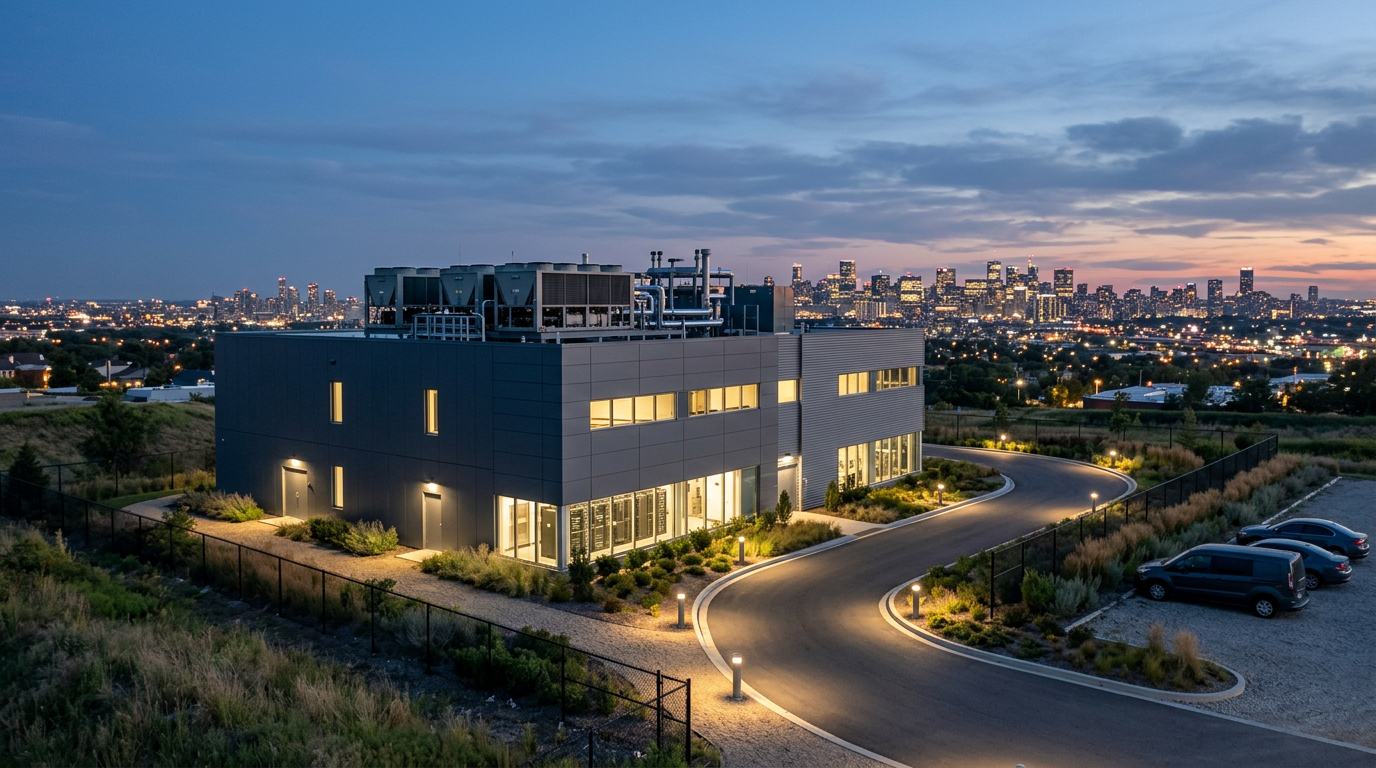
GridColo builds digital infrastructure. We believe the communities that host it should see direct, measurable benefits—improved connectivity, stronger emergency readiness, and transparent operations that respect local resources.

Note: Commitments vary by site and are finalized through a written Community Benefits Agreement (CBA) or equivalent.

Connectivity for Residents

Affordable high-speed access, public Wi-Fi zones, and practical digital inclusion support.

Public Safety & Emergency Readiness

Resilient connectivity, free hosting options, and emergency communications support.

Grid Resiliency & Infrastructure

Grid-supportive operations, curtailment during grid stress, and critical facility investments.

Local Economic Mobility

Paid apprenticeships, training pathways, certifications, and local vendor participation.

Environmental Stewardship

Water-conscious design, enforceable noise/light practices, and public reporting.

Emergency Support Program

Free EV charging access (where available) and connectivity support during emergencies.

Our approach: community-first, measurable, and transparent

Data centers can raise fair questions about power, water, noise, and local benefit. We don't ask communities to "trust us." We publish commitments, we report performance, and we maintain an ongoing forum for community input.

We design our sites to be good neighbors and reliable partners—especially during the moments that matter most: severe weather, extended outages, and community emergencies.

What you can expect from us

  • • Specific commitments in writing, not just verbal assurances
  • • Transparent reporting on key community concerns
  • • A clear escalation path for questions or issues

What we won't do

  • • Overpromise job counts that don't match reality
  • • Use unclear pricing or temporary promotional language
  • • Ignore quality-of-life concerns such as noise, traffic, or lighting

"GridColo commits to documenting all community benefits in writing and reporting performance publicly. We believe accountability starts with transparency."

— GridColo Community Policy Statement

The GridColo Community Benefits Framework

Our community benefits are organized into five pillars. Each pillar includes baseline commitments plus site-specific commitments documented in a CBA or equivalent agreement with local stakeholders.

Connectivity for Residents

Better access to reliable, affordable internet supports households, students, small businesses, and local services. Where feasible, we invest in community connectivity so the benefit is tangible and local.

Our Commitments

  • Establish community Wi-Fi zones in town-selected public spaces (e.g., parks, downtown, library, community center)
  • Offer an affordability-oriented internet option for qualifying households, with straightforward pricing
  • Support digital inclusion through training partnerships and practical support channels
  • Provide connectivity or hosting credits for local small businesses where feasible
  • Publish performance expectations (typical speeds/latency ranges) in plain language

Public Safety & Emergency Readiness

When communications fail, response time and coordination suffer. We prioritize resilient connectivity and practical support for first responders and emergency management.

Our Commitments

  • Provide free or discounted hosting/connectivity options for eligible public safety agencies (as requested by the agency)
  • Engineer resilient connectivity where feasible (diverse routing, redundant paths, and clear failover design)
  • Support emergency readiness planning through periodic coordination and tabletop exercises (when invited)
  • Offer emergency connectivity kits for incident command posts (staged equipment + activation procedure)
  • Maintain a priority escalation channel for public safety incidents affecting connectivity

Grid Resiliency & Infrastructure

We aim to operate as a grid-supportive customer. Where feasible, we can reduce load during grid stress events and invest in infrastructure that improves local reliability.

Our Commitments

  • Coordinate load ramp and commissioning with the utility/co-op to protect reliability
  • Participate in curtailment or demand response programs where feasible
  • Provide transparent reporting on curtailment events (date, duration, approximate load reduction)
  • Collaborate with utilities on power quality improvements when the utility identifies local need
  • Fund or co-fund resiliency upgrades for community critical facilities (project-based)

Local Economic Mobility

Data centers do not employ hundreds of people long-term. We address this honestly by focusing on skilled pathways that raise local earning potential: trades, critical power, fiber, controls, and operations.

Our Commitments

  • Create paid apprenticeships and internships in critical facility roles (electrical, HVAC, controls, fiber, security systems)
  • Partner with ISDs/community colleges where feasible for dual-credit or certification pathways
  • Fund or sponsor certifications (OSHA, NFPA 70E, fiber, entry-level IT) to reduce barriers to entry
  • Maintain a local vendor participation program with clear categories that match local capabilities
  • Report local vendor spend in aggregated form (where permissible)

Environmental Stewardship & Quality of Life

We design to minimize impacts and we publish clear practices. Water use, noise, lighting, traffic, and generator testing are the topics residents most often raise—and we address them directly.

Our Commitments

  • Use water-conscious cooling strategies; prefer non-potable/reclaimed sources where feasible
  • Publish water usage (if applicable) in a simple monthly format
  • Implement enforceable noise and lighting practices, including test windows for generators
  • Establish traffic routing and construction conduct plans to reduce neighborhood disruption
  • Maintain a straightforward process for residents to report concerns and receive timely responses

Emergency Support Program

During declared emergencies, the community needs practical support—power for devices, connectivity, and coordination. Where feasible and safe, GridColo sites can provide limited emergency resources as part of a structured program.

Free EV Charging During Disasters (Where Available)

When a local, state, or federal authority declares an emergency—or during widespread outages—GridColo can designate on-site EV chargers as free to the public for the duration of the event, subject to safety and capacity constraints. This supports residents who rely on EVs for transportation, device charging, or limited power needs, and it can also assist responders.

Program Guardrails:

  • • Activation triggered by: declared emergency, utility outage thresholds, or local emergency management request
  • • Priority access for: first responders, healthcare workers, and critical community services (if needed)
  • • Clear posted hours, queue rules, and on-site safety requirements
  • • Program may be paused if it would compromise site safety, security, or grid stability

How Activation Works:

1

Event declared or outage threshold reached

2

GridColo activates emergency mode and posts status publicly

3

Chargers switch to free access with posted rules and priority lanes if required

4

Program ends after all-clear; a short after-action summary is published

Connectivity Support for Emergency Operations

Resilient connectivity options for EOC and incident command during declared emergencies.

Staged Emergency Connectivity Kits

Pre-positioned equipment for rapid deployment during emergencies (if part of site commitments).

Accountability and Transparency

Community trust is earned through reporting and responsiveness. We support an ongoing governance structure and publish key operational facts in plain language.

Public Dashboard

What we publish:

  • • Water usage (if applicable)
  • • Generator testing schedule
  • • Curtailment events
  • • Community fund disbursements

Community Advisory Council

  • • Quarterly meetings (or agreed cadence)
  • • Published agendas and notes
  • • Resident Q&A

Clear Escalation Path

  • • Community email inbox
  • • Hotline during construction
  • • Public safety escalation channel

Being a Good Neighbor During Construction

Construction periods require extra coordination. We commit to minimizing disruption through clear practices and responsive communication.

  • Defined work hours and noise controls
  • Dust and road cleanliness practices
  • Traffic routing to reduce school-zone impacts
  • Road repair commitments where applicable
  • "If you see something, say something" reporting channel

Frequently Asked Questions

Contact GridColo Community Relations

We're here to answer questions, address concerns, and coordinate with community stakeholders.

Community Inbox

community@gridcolo.com

Construction Hotline

1-800-GRIDCOLO

Request a Meeting

Schedule

For public safety agencies: Please contact us through your agency's official channels or reach out to our dedicated public safety liaison at publicsafety@gridcolo.com

This page summarizes typical GridColo community programs. Site-specific commitments vary and are finalized through written agreements and local coordination. Nothing on this page is intended to modify existing utility requirements, public safety operating procedures, or applicable law.